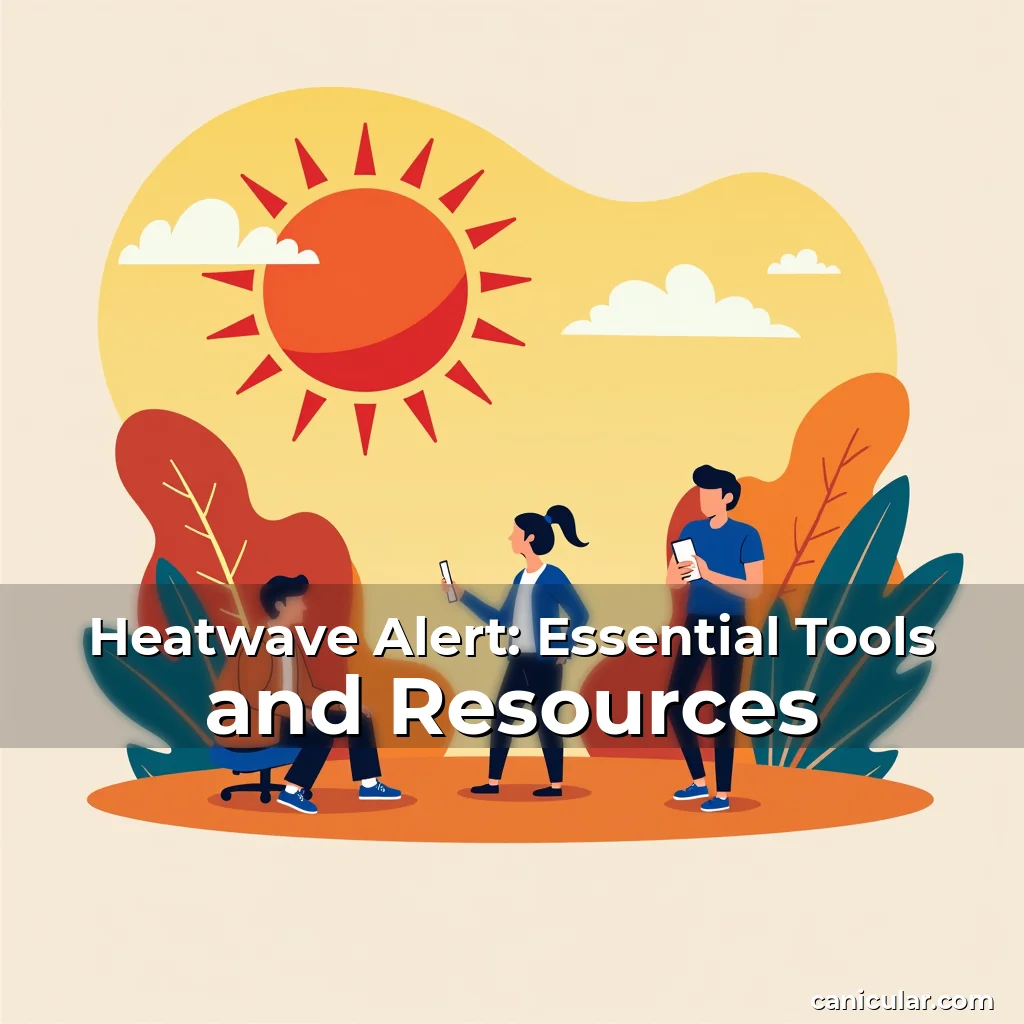
Heatwave Alert: Essential Tools and Resources
Navigating Extreme Heat: A Comprehensive Resource for Canicular Community Members
A heatwave alert signals a period of abnormally high temperatures that pose significant risks to health, infrastructure, and daily life. For members of the canicular community—those who experience heightened sensitivity to heat—these alerts demand urgent attention and preparation.
This guide explores how to interpret heatwave warnings, mitigate personal risks, leverage community resources, and stay informed amid rising global temperatures. Whether you’re managing chronic conditions exacerbated by heat or simply seeking resilience strategies, this resource provides actionable insights tailored to your needs.
Understanding Heatwave Alerts: What You Need to Know
Heatwave alerts are issued by meteorological agencies when prolonged periods of excessively hot weather threaten public safety. These alerts often come with severity levels—such as advisory, watch, warning, or emergency—to indicate escalating danger.
The criteria for issuing a heatwave alert vary by region but typically involve sustained temperatures above historical norms combined with high humidity. For example, the National Weather Service defines a heatwave as three consecutive days with temperatures exceeding 90°F (32°C) in regions unaccustomed to such extremes.
Critical factors influencing heatwave intensity include atmospheric pressure patterns, urban heat islands, and climate change trends. Understanding these dynamics helps communities anticipate and respond proactively.
- Severity Levels: Familiarize yourself with local alert classifications to gauge urgency. Emergency-level alerts may trigger mandatory evacuations or shelter-in-place orders.
- Duration Matters: Prolonged exposure increases dehydration risk, even for those acclimated to warm climates. Short bursts of heat can still be dangerous for vulnerable populations.
- Regional Variability: Coastal areas face different challenges than arid zones; coastal heatwaves often bring humid air, intensifying discomfort and sweat loss.
Health Risks During Heatwaves: Prioritizing Personal Safety
Heatwaves exacerbate existing medical conditions and introduce new risks. Dehydration, heat exhaustion, and heatstroke are common threats, particularly for the elderly, children, and individuals with chronic illnesses.
Symptoms of heat-related illness progress rapidly: dizziness, nausea, rapid pulse, and confusion signal early stages, while unconsciousness marks severe cases requiring immediate intervention. Recognizing these signs early can save lives.
Vulnerable Populations at Higher Risk
Elderly residents living alone, young children whose bodies regulate temperature less efficiently, and outdoor workers exposed to direct sunlight face disproportionate dangers. Social isolation compounds these vulnerabilities by limiting access to cooling centers or assistance.
Individuals with diabetes, cardiovascular disease, or respiratory conditions also struggle during heatwaves. Medications that cause diuresis or impair sweating further elevate risks, making hydration management critical.
Protective Measures: Building Your Heat Resilience Strategy
Proactive steps significantly reduce harm during heat events. This includes staying hydrated, wearing appropriate clothing, and modifying routines to avoid peak sun hours. Cooling devices like fans or misting systems offer temporary relief but cannot replace shade or air conditioning entirely.
Create a personalized plan outlining emergency contacts, medication schedules, and evacuation routes. Share this plan with family members, caregivers, or neighbors to ensure collective preparedness.
- Hypohydration Prevention: Drink water regularly—even if not thirsty—and consume electrolyte-rich fluids to replenish lost minerals.
- Clothing Choices: Opt for loose-fitting, light-colored garments made from breathable fabrics like cotton or linen. Avoid dark colors that absorb solar radiation.
- Cooling Techniques: Use damp towels placed around the neck or wrists, seek shaded environments, and utilize evaporative coolers if available.
Leveraging Technology: Apps and Devices for Real-Time Monitoring
Digital tools provide real-time updates on temperature fluctuations, UV indexes, and air quality indices. Smartphones equipped with apps like AccuWeather or NOAA’s Heat Wave Tracker deliver localized forecasts and health advisories.
Wearable devices with body temperature sensors warn users before symptoms manifest. Some advanced smartwatches now feature vibration alerts reminding wearers to hydrate or rest during extended activity.
Community-Based Tech Solutions
Municipalities increasingly deploy IoT-enabled environmental monitors across neighborhoods. These devices track ambient temperatures and send alerts via SMS or mobile app notifications to registered residents.
In some regions, community hubs operate centralized cooling stations with Wi-Fi access. Locating these facilities ahead of time ensures quick refuge during emergencies.
Community Support Systems: Strengthening Collective Response
No individual faces heatwaves in isolation. Local organizations, religious groups, and neighborhood associations play vital roles in distributing supplies, checking on isolated elders, and organizing educational workshops.
Volunteer networks often coordinate transportation services for those unable to travel independently. Establishing partnerships with nearby pharmacies or clinics ensures prompt access to medical care when needed.
- Neighborhood Watch Programs: Encourage neighbors to check on each other during extreme weather. Assign rotating responsibilities to cover absences due to work or travel.
- Emergency Kits: Stock shared spaces like laundromats or libraries with essentials: bottled water, sunscreen, and portable fans for unexpected situations.
- Communication Plans: Designate a central contact person outside the area who can relay messages if phone lines become overloaded.
Preparing Homes and Workspaces for Heat Emergencies
Modifying indoor environments reduces reliance on external cooling sources. Insulating windows, sealing gaps, and installing reflective window films minimizes heat gain during daylight hours.
Homeowners should inspect HVAC units annually and consider upgrading to energy-efficient models capable of handling higher loads. Portable AC units or dehumidifiers provide supplemental relief where permanent solutions aren’t feasible.
Workplace Adaptation Strategies
Employers must implement flexible scheduling policies allowing employees to adjust work hours away from midday peaks. Providing shaded rest areas with free beverages supports productivity without compromising safety.
Industries reliant on outdoor labor—construction, agriculture, landscaping—should enforce strict hydration protocols and mandate regular breaks in cooled zones. Training programs emphasizing heat safety reduce workplace injuries.
Psychological Impact of Protracted Heat Exposure
Prolonged exposure to excessive heat affects mental well-being. Studies show increased rates of irritability, anxiety, and sleep disturbances among populations enduring frequent heatwaves. Cognitive performance declines, impacting decision-making abilities.
Isolation worsens emotional strain, especially for those confined indoors without social interaction. Mental health professionals recommend mindfulness practices, virtual therapy sessions, and structured routines to maintain stability.
- Stress Management Techniques: Deep breathing exercises, progressive muscle relaxation, and guided meditation alleviate tension caused by relentless heat.
- Virtual Connectivity: Leverage video calls or online forums to sustain social bonds despite physical distancing necessitated by heat precautions.
Facing the Future: Climate Change and Escalating Heat Events
Climate scientists predict more frequent and intense heatwaves over the coming decades due to anthropogenic warming. Coastal cities already see summer temperatures climbing faster than inland regions, compounding vulnerability for marine-dependent economies.
Rising sea levels interact with heat stressors, creating compound disasters. Flooding disrupts power grids, disabling air conditioners at precisely the moment they’re most needed. Urban planners must integrate green spaces and reflective surfaces to counteract warming trends.
Advocacy and Policy Engagement
Canicular community leaders should engage policymakers advocating for climate adaptation funding. Pushing for mandates requiring businesses to install cooling shelters and enforce heat protection standards protects broader society.
Support legislation prioritizing renewable energy investments and emissions reductions. Public awareness campaigns highlighting marginalized groups’ struggles increase political will for systemic change.
Conclusion
Heatwave alerts serve as critical reminders of our changing climate and the importance of preparedness. By combining individual vigilance with community solidarity, we can navigate extreme heat safely and resiliently.
Stay informed, share resources, and advocate for policies that address root causes of increasing heat stress. Together, we build a cooler, safer world for everyone facing the realities of a hotter planet.

news is a contributor at Canicular. We are committed to providing well-researched, accurate, and valuable content to our readers.