Wildfire Risk: Professional Insights and Tips
The Hidden Dangers of Wildfire Risk: Understanding Threats, Vulnerabilities, and Community Resilience Strategies
In an era marked by climate change and shifting environmental patterns, the specter of wildfire has evolved from a seasonal concern to a year-round threat that demands immediate attention. Communities across diverse landscapes are increasingly facing unprecedented levels of fire activity, driven by prolonged droughts, extreme heatwaves, and human-induced factors such as land-use changes and accidental ignitions.
This growing crisis underscores the need for a deeper understanding of wildfire dynamics, risk assessment methodologies, and proactive strategies aimed at safeguarding both natural ecosystems and populated areas. The following exploration delves into the multifaceted nature of wildfire risk, offering insights that empower individuals and communities to mitigate potential dangers effectively.
Understanding the Science Behind Wildfires
Wildfires are complex phenomena influenced by a combination of meteorological conditions, fuel availability, and topographical features. These elements interact dynamically to create environments where fires can ignite easily and spread rapidly.
The primary components contributing to wildfire formation are known as the “Fire Triangle”: heat, oxygen, and fuel. Heat is often generated through lightning strikes or human activities such as campfires left unattended. Oxygen is abundant in the atmosphere, making it readily available for combustion reactions. Fuel includes any combustible material found in forested regions, grasslands, or even urban settings with dry vegetation.
Environmental conditions play a crucial role in determining whether these elements will combine to form a wildfire. For instance, high temperatures increase evaporation rates, reducing moisture content in fuels and making them easier to burn. Similarly, low humidity levels contribute significantly to rapid fire spread due to drier air accelerating ignition processes.
- Drought Conditions: Prolonged periods without sufficient rainfall lead to parched soils and dried-out plant life, which become highly flammable materials capable of sustaining intense flames over long distances.
- Wind Patterns: Strong winds not only carry embers far beyond their origin but also enhance flame intensity by supplying additional oxygen necessary for sustained burning.
Evaluating Fire Risk Levels Across Different Regions
Federal agencies and local authorities employ sophisticated models to assess regional fire risks based on historical data, current weather patterns, and projected climate trends. These evaluations help determine the likelihood of wildfires occurring within specific geographic boundaries during various seasons.
Regional differences in terrain influence how quickly fires might propagate once ignited. Steep slopes accelerate fire movement because heated air rises along inclines while gravity pulls down flaming debris toward lower elevations. Conversely, flat terrains may slow down initial fire progression but could still be vulnerable under certain atmospheric conditions.
Case Study: California’s High-Risk Zones
California serves as a prime example of an area experiencing heightened wildfire threats due to its Mediterranean climate characterized by hot summers followed by wet winters. This pattern results in dense vegetation growth during rainy months that subsequently becomes tinder-dry when summer arrives.
Data collected by the National Interagency Fire Center indicates that approximately 85% of significant wildfires reported annually occur west of the Sierra Nevada range. These locations experience frequent wind events combined with high ambient temperatures creating optimal conditions for massive conflagrations.
Human Factors Contributing to Increased Wildfire Incidents
While natural causes account for roughly half of all recorded wildfires globally, anthropogenic sources have been increasing steadily over recent decades. Activities ranging from improper disposal of cigarettes to illegal burning practices pose considerable hazards to public safety.
Mismanagement of agricultural lands presents another critical factor influencing modern-day wildfire occurrences. Techniques involving slash-and-burn methods used extensively in some parts of Asia and South America frequently result in uncontrollable blazes spreading unpredictably across vast expanses.
Preparing Your Home Against Potential Wildfire Threats
Creating defensible space around homes is among the most effective measures homeowners can take against approaching wildfires. Clearing flammable materials within a radius extending up to thirty feet from structures helps reduce direct exposure risks significantly.
Additionally, using non-combustible roofing materials and installing ember-resistant vents proves beneficial in preventing sparks from entering living spaces via open windows or utility lines. Such precautions substantially minimize chances of structural damage caused by flying embers carried kilometers away from original fire sites.
Community-Level Preparedness Initiatives
Cities located near forests benefit immensely from implementing coordinated neighborhood preparedness programs designed specifically to address collective vulnerabilities posed by nearby woodlands susceptible to spontaneous combustion episodes.
Local governments collaborate closely with emergency management teams to establish evacuation routes tailored towards minimizing travel times during sudden alerts issued ahead of imminent threats. Regular drills conducted at schools, hospitals, and other key facilities ensure everyone knows what actions must be taken promptly upon receiving warnings.
The Role of Technology in Modern Firefighting Efforts
Advancements in remote sensing technologies now allow scientists and firefighters alike access real-time information regarding active fire fronts through satellite imagery feeds processed instantly onto digital maps accessible worldwide.
Drones equipped with thermal imaging cameras provide invaluable assistance during search operations focusing primarily on locating stranded individuals trapped inside affected zones unreachable otherwise. Their ability to navigate hazardous environments safely makes them indispensable assets whenever traditional rescue missions prove too dangerous.
Long-Term Strategies for Sustainable Land Management Practices
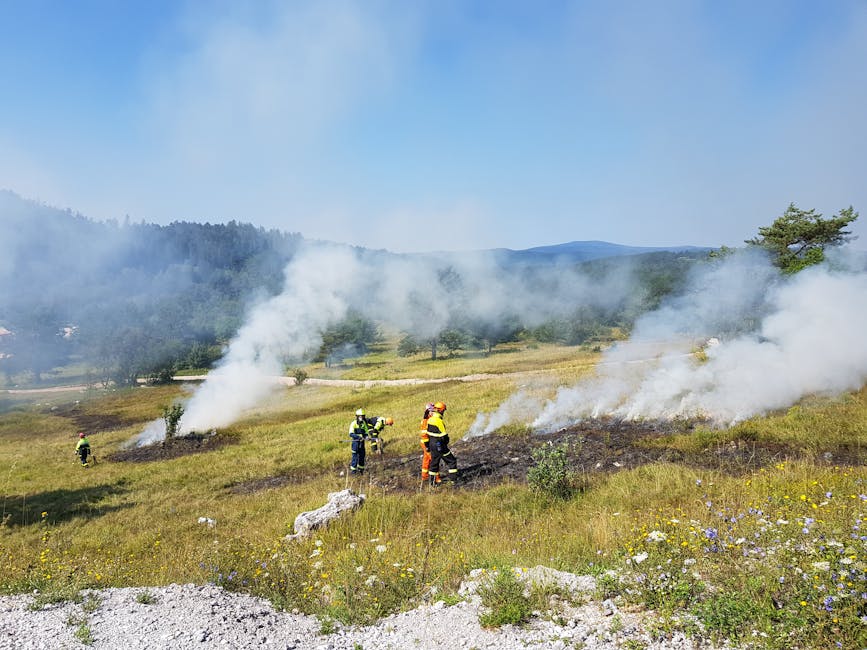
Sustainable forestry techniques incorporating controlled burns represent viable alternatives helping maintain ecological balance while simultaneously lowering overall susceptibility scores assigned locally concerning future flare-ups.
These prescribed fires mimic naturally occurring ones that historically kept forest understories clear thereby limiting buildup of excessive biomass prone to explosive combustion when exposed unexpectedly to external triggers like electrical faults or arson attempts.
Psychological Impacts on Populations Affected by Repeated Exposure
Residents subjected repeatedly to close calls with wildfires inevitably suffer psychological trauma manifesting itself through anxiety disorders related mainly to fear responses triggered involuntarily whenever signs resembling previous incidents appear suddenly.
Persistent stress induced by uncertain futures linked heavily with unpredictable recurrence cycles forces many families either relocate permanently away from danger-prone locales or invest substantial resources modifying existing properties into fortified shelters resistant enough withstand severe impacts inflicted by airborne debris laden with superheated particles traveling great distances before settling.
International Cooperation Toward Global Fire Safety Standards
Governments recognize necessity for unified approaches addressing cross-border challenges arising especially from transnational migration patterns coupled together with shared ecosystem responsibilities requiring joint stewardship initiatives undertaken cooperatively rather than competitively.
Agreements facilitating knowledge exchange between countries having experienced similar problems enables quicker adaptation phases allowing less developed nations adopt proven solutions already validated scientifically proving efficacy through empirical evidence gathered systematically over extended durations.
Conclusion
As we’ve explored throughout this discussion, comprehending wildfire risk involves understanding intricate interactions spanning scientific principles governing fire behavior alongside social dimensions impacting community resilience capacities globally.
To protect ourselves effectively moving forward requires embracing multi-faceted strategies integrating technological innovations alongside traditional wisdom ensuring sustainable coexistence harmonizing our needs with those inherent within Earth’s delicate equilibrium maintaining planetary health essential supporting continued habitation securely amidst ever-changing climatic realities looming ominously ahead.

news is a contributor at Canicular. We are committed to providing well-researched, accurate, and valuable content to our readers.