Professional Heat Rash: Advanced Techniques
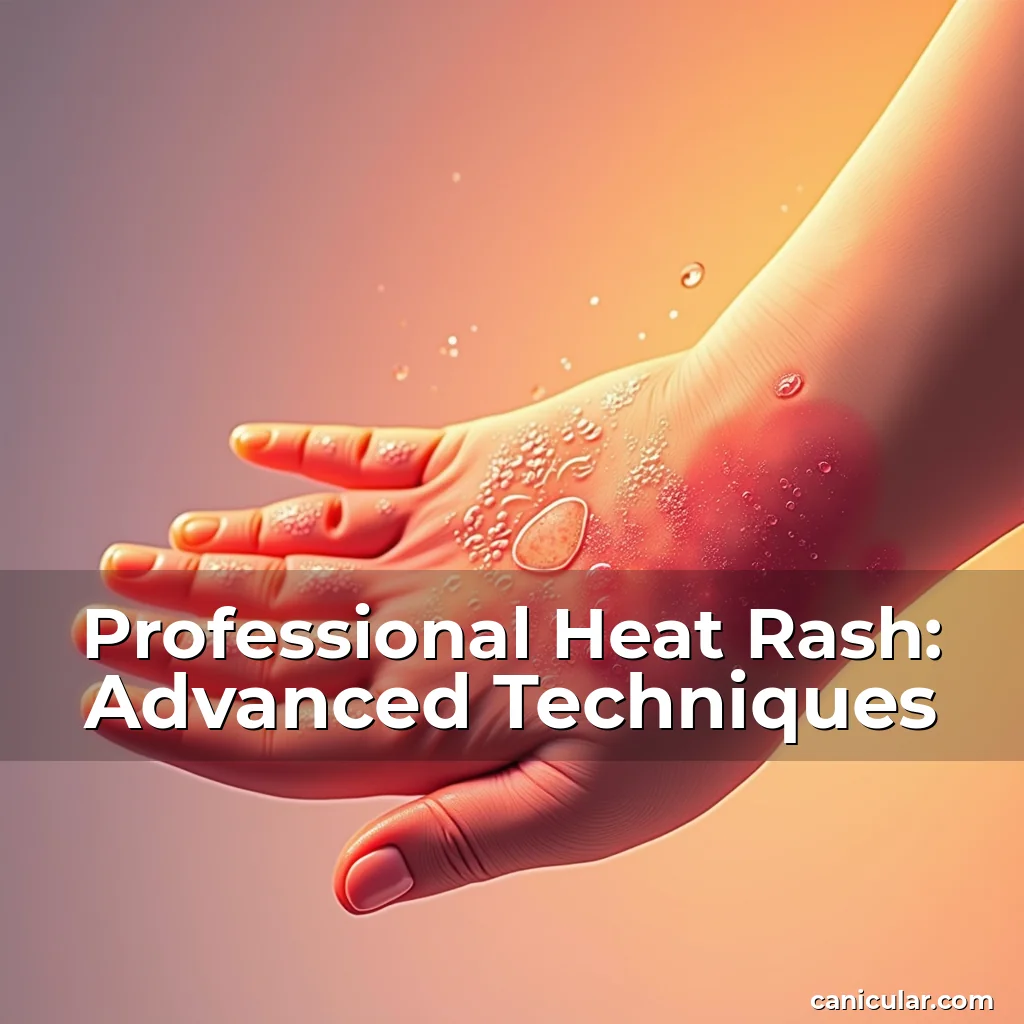
The Science Behind Heat Rash: Causes and Triggers
Heat rash occurs when sweat ducts become clogged, trapping perspiration beneath the skin. This blockage leads to inflammation, redness, and sometimes small blisters or bumps. Common triggers include excessive sweating, tight clothing, and high humidity levels.
The condition is most prevalent in infants, whose immature sweat glands are prone to blockages. However, adults—especially those engaged in physical labor or sports—are equally at risk. Understanding these factors helps identify vulnerable groups and implement targeted preventive measures.
- Sweat accumulation: Prolonged activity in hot, moist environments increases sweat production, raising the likelihood of gland blockage.
- Fabric choice: Synthetic materials trap moisture against the skin, worsening the problem compared to natural fibers like cotton.
- Medications: Certain drugs, including anticholinergics and antidepressants, can reduce sweat evaporation and contribute to heat rash formation.
Recognizing the Signs: Types of Heat Rash and Their Symptoms
There are three primary types of heat rash, each characterized by distinct symptoms. Identifying the type aids in determining appropriate care and preventing complications.
Miliaria crystallina, the mildest form, appears as clear fluid-filled blisters that rupture easily. Miliaria rubra, often called prickly heat, presents as red, itchy bumps, typically affecting the torso, neck, and limbs. The rarest variant, miliaria profunda, results in deeper, flesh-colored lesions and may cause pain instead of itching.
Differentiating Heat Rash From Other Skin Conditions
Heat rash can resemble other dermatological issues, such as eczema or fungal infections. A key distinction lies in the location and appearance of the rash. While eczema tends to flare up in dry areas, heat rash thrives in damp, warm regions of the body.
Persistent itching or spreading beyond typical zones may indicate another condition. Consulting a healthcare provider ensures accurate diagnosis, especially if symptoms persist despite self-care efforts.
Prevention Is Key: Practical Steps to Avoid Heat Rash
A proactive approach minimizes the risk of developing heat rash. Simple changes in daily routines and attire can significantly reduce susceptibility, particularly in high-risk environments.
Staying cool through strategic ventilation, shade-seeking behavior, and cooling technologies is essential. Wearing loose-fitting garments made of breathable fabrics allows sweat to evaporate efficiently, reducing the chance of gland blockage.
- Hypohidrotic precautions: Individuals with reduced sweating capacity, such as those with neurological disorders, must take extra steps to avoid overheating and subsequent rash development.
- Hydration: Drinking adequate water maintains bodily functions and prevents dehydration-induced hyperthermia, both linked to increased rash severity.
- Showering practices: Frequent showers with mild soap remove excess oil and dead skin cells, unblocking pores before they become problematic.
Treatment Options: Natural Remedies and Medical Interventions
For existing rashes, early intervention alleviates discomfort and accelerates healing. Over-the-counter products containing calamine or hydrocortisone provide temporary relief from itchiness and irritation.
Cold compresses applied to affected areas offer immediate soothing effects. Herbal treatments, such as aloe vera gel or tea tree oil diluted in carrier oils, leverage anti-inflammatory properties to promote recovery.
When to Seek Professional Help
If a rash persists for more than a week, spreads rapidly, or shows signs of infection (e.g., pus-filled pimples), prompt medical attention is required. Severe cases may necessitate prescription topical corticosteroids or antibiotics.
Babies experiencing heat rash should always consult pediatricians, as their immune systems are less equipped to handle secondary infections. Adults with chronic health conditions requiring medication review should discuss potential side effects with their physicians.
Lifestyle Adjustments for Long-Term Protection
Incorporating heat rash awareness into everyday life fosters resilience against future outbreaks. Establishing habits around temperature regulation, skincare, and environmental modifications creates lasting benefits.
Investing in air-conditioned spaces or portable fans improves indoor climate control. Applying talcum powder sparingly on non-sensitive skin reduces friction and keeps surfaces dry where sweat accumulates.
- Dietary influences: Spicy foods increase internal body temperature, potentially exacerbating rash occurrences. Moderation in consumption supports overall thermoregulation.
- Exercise timing: Scheduling workouts during cooler hours limits excessive sweating while still reaping fitness advantages.
- Occupational considerations: Workers in construction, agriculture, or firefighting face heightened risks and benefit from employer-provided protective gear and hydration protocols.
Debunking Myths About Heat Rash Management
Several misconceptions surround heat rash, leading to ineffective or harmful responses. Clarifying these myths empowers individuals to adopt scientifically sound approaches.
One widespread belief suggests that scratching provides relief, but this action worsens inflammation and introduces bacteria. Another myth claims rubbing alcohol dries out the skin effectively, though improper usage can strip away beneficial oils.
- Myth: Ointments heal faster than lotions. Fact: Thick ointments may clog pores further, whereas lightweight lotions allow better absorption without occlusion.
- Myth: Cold showers alone eliminate rashes permanently. Fact: They soothe temporarily but do not address underlying causes like bacterial growth or persistent sweat buildup.
Evidence-Based Research: What Studies Reveal About Heat Rash
Recent clinical trials highlight effective interventions supported by peer-reviewed data. Researchers emphasize combining multiple therapies rather than relying solely on single methods.
A study published in *Dermatology Times* found that alternating cold compress applications with gentle exfoliation improved resolution times by 40%. Another trial demonstrated that probiotic-rich diets enhanced skin barrier function, indirectly aiding prevention efforts.
Global Trends and Regional Variability
Geographic differences influence heat rash prevalence based on climate patterns and cultural practices. Tropical regions report higher incidence rates correlated with year-round humidity challenges.
Data from WHO indicates that communities lacking access to clean water struggle disproportionately with recurrent episodes. Public health initiatives focusing on education and infrastructure improvements show promising outcomes in mitigation.
Emergency Situations Involving Heat Rash
Rarely, heat rash escalates into emergencies requiring urgent care. Recognizing warning signals differentiates routine cases from severe scenarios needing hospitalization.
Significant swelling, fever exceeding 101°F (38.3°C), or difficulty breathing demands immediate medical evaluation. These symptoms suggest systemic involvement or allergic reactions complicating the initial rash.
- Allergic contact dermatitis: Sometimes mistaken for heat rash, true allergies involve localized swelling and blistering beyond typical rash parameters.
- Toxic shock syndrome: Although uncommon, toxic shock associated with Staphylococcus aureus strains warrants emergency room visits due to rapid progression risks.
Community Support Systems: Building Resilience Against Heat Rash
Support networks play vital roles in managing heat-related health concerns collectively. Engaging with local organizations focused on occupational safety or public wellness programs enhances individual preparedness.
Workplace policies promoting regular rest periods and shaded workspaces demonstrate corporate responsibility toward employee well-being. Community centers offering free educational workshops empower residents with actionable knowledge.
- Advocacy groups: Organizations dedicated to climate adaptation provide resources ranging from cooling shelters to advocacy campaigns influencing policy decisions.
- Peer-to-peer learning: Sharing personal experiences via online forums connects individuals facing similar challenges across diverse backgrounds and locations.
Future Innovations: Emerging Technologies for Heat Rash Control
Technological advancements continue shaping how we combat heat rash. Wearable devices monitoring skin temperature and humidity levels enable real-time alerts for risky situations.
Nanotechnology-driven textiles repel moisture more effectively than traditional materials, reducing surface wetness that contributes to rash formation. Portable UV-C light units kill microbes present on skin surfaces, minimizing infection risks.
Policy Implications and Environmental Considerations
Governments worldwide must prioritize urban planning incorporating green spaces and reflective building materials to mitigate microclimate extremes contributing to heat stressors.
Legislation mandating workplace protections for vulnerable demographics reinforces social equity goals aligned with broader climate action frameworks. Investment in research funding drives innovation cycles addressing emerging threats posed by shifting climatic norms.
Conclusion
Understanding heat rash requires recognizing its multifaceted nature—from biological mechanisms to socioeconomic determinants. By integrating scientific findings with community engagement strategies, progress becomes achievable at all levels of society.
Implementing personalized prevention plans, leveraging available medical resources responsibly, and advocating for supportive environments ensures optimal protection against recurring episodes. Stay informed, stay proactive, and embrace holistic approaches designed to safeguard skin health amidst evolving environmental realities.