
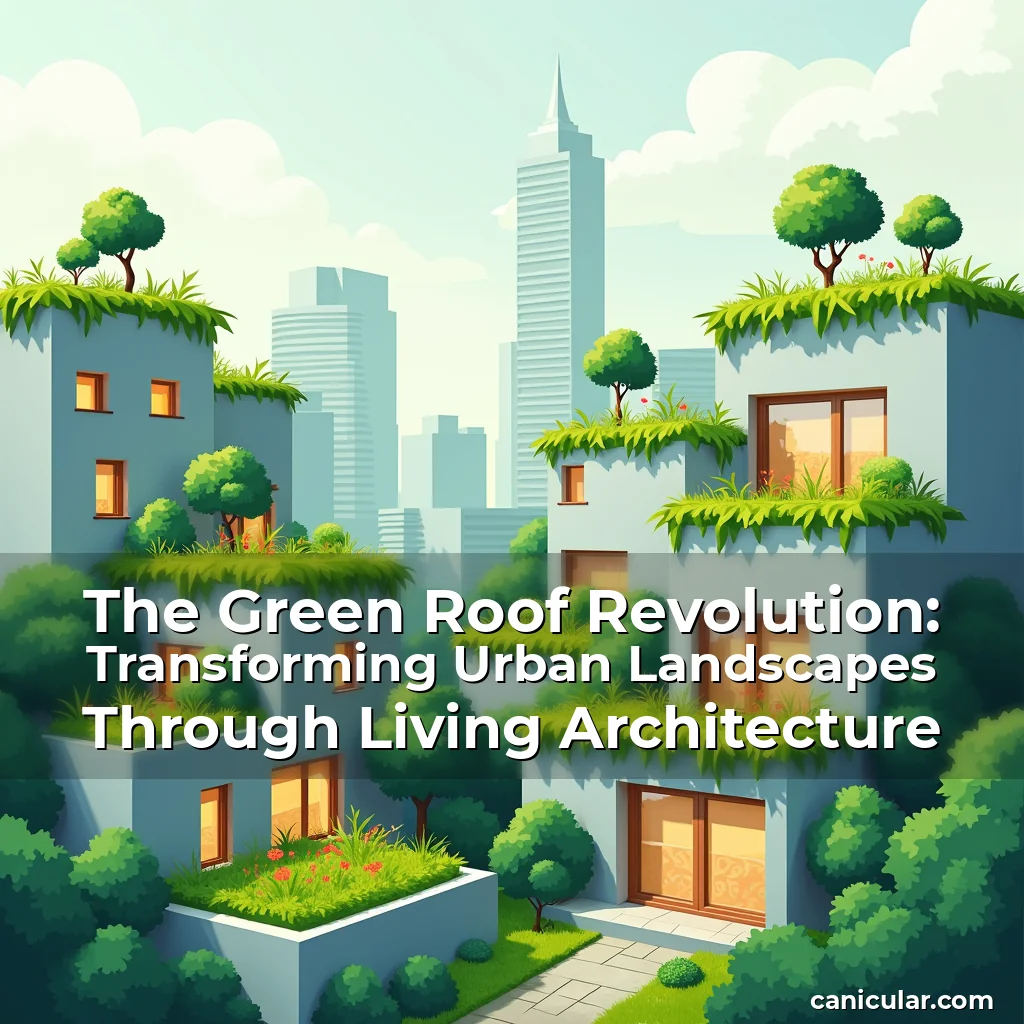
The Green Roof Revolution: Transforming Urban Landscapes Through Living Architecture
In an era defined by climate change and urban sprawl, the concept of green roofs is emerging as a powerful solution that bridges nature and concrete jungles. These living structures are not merely aesthetic additions but functional ecosystems designed to mitigate environmental challenges while enhancing building performance.
Green roofs represent a paradigm shift in how we conceptualize architectural design, integrating vegetation into the very fabric of our built environment. This innovative approach offers benefits ranging from stormwater management to biodiversity support, making them essential components of sustainable city planning.
Eco-Friendly Foundations: Understanding What Makes a Green Roof Unique
A green roof differs fundamentally from conventional roofing systems through its layered structure that supports plant life. This system typically consists of several key components working together to create a thriving microenvironment atop buildings.
At the base lies a waterproof membrane that protects the structural integrity of the building below. Above this layer, a drainage mat helps manage excess water before it reaches the growing medium where plants take root.
- Root barrier: Prevents roots from penetrating into the building’s structure, ensuring long-term durability
- Filtration layer: Captures debris and prevents clogging of drainage systems, maintaining optimal hydrological function
The selection of appropriate soil substrate plays a critical role in determining which plant species will thrive. Lightweight yet nutrient-rich soils allow for diverse flora without imposing excessive weight loads on the building framework.
Finally, the vegetative layer itself becomes both insulation and habitat, transforming rooftops into vibrant extensions of natural landscapes within densely populated areas.
Sustainable Solutions: Environmental Benefits of Green Roofs
One of the most significant advantages of implementing green roofs lies in their ability to reduce the urban heat island effect. By replacing traditional roofing materials with vegetation, these systems help lower ambient temperatures significantly.
This cooling effect occurs primarily through evapotranspiration, where plants release moisture into the atmosphere, effectively reducing surface and air temperatures around buildings.
Studies have shown that well-maintained green roofs can decrease rooftop surface temperatures by up to 30°C compared to conventional roofs during peak summer conditions.
Such temperature reductions contribute to energy savings by decreasing reliance on air conditioning systems, ultimately lowering overall carbon emissions associated with building operations.
Cooling Efficiency Across Different Climates
Data collected across various cities reveals that the effectiveness of green roofs varies depending on local climatic conditions. In arid regions, they demonstrate exceptional thermal regulation capabilities due to increased evaporation rates.
Conversely, in temperate climates, green roofs provide consistent year-round benefits including improved insulation properties that reduce heating demands during colder months.
A comparative analysis between New York City and Berlin found that green roofs reduced indoor temperatures by approximately 6°F in Manhattan versus 8°C in central Europe under similar solar exposure scenarios.
These findings highlight the adaptability of green roofs as solutions tailored to meet regional environmental needs while contributing globally towards sustainability goals.
Economic Advantages: Financial Returns on Investment
Beyond ecological considerations, green roofs offer substantial economic incentives that make them attractive propositions for property developers and building owners alike.
By improving insulation values, these living roofs significantly reduce energy consumption related to heating and cooling, leading to measurable cost savings over time.
An independent study conducted by the University of Toronto estimated that green roofs could cut annual energy costs by up to 25% for commercial buildings located in high-density urban environments.
Additionally, extended lifespan of roofing membranes means fewer replacement cycles, further contributing to long-term financial gains through maintenance cost reduction.
Urban Biodiversity Boosters: Enhancing Ecosystem Services
As cities expand rapidly, opportunities for native wildlife diminish dramatically. Green roofs serve as crucial habitats that counteract this loss by providing refuge spaces for insects, birds, and other small animals.
Research indicates that even limited green space on rooftops can support pollinators such as bees and butterflies, playing vital roles in maintaining healthy ecosystem balances.
Diverse planting strategies incorporating native species enhance food sources available to local fauna, fostering greater biodiversity within metropolitan settings.
Moreover, these elevated gardens act as corridors connecting fragmented habitats, facilitating movement patterns among different animal populations across urban landscapes.
Rainwater Management Innovations: Mitigating Flooding Risks
With increasing frequency of extreme weather events linked to climate change, effective rainwater management has become imperative for resilient urban infrastructure development.
Green roofs function as natural sponges absorbing rainfall before it enters municipal drainage networks, thereby alleviating pressure on aging sewer systems prone to overflow incidents.
Their capacity to retain varying amounts of precipitation depends largely upon factors like plant type density and substrate composition used in construction processes.
In some cases, properly engineered green roofs can retain up to 90% of rainfall volume received during light-to-moderate precipitation events, substantially reducing runoff volumes reaching streets below.
Comparative Analysis With Traditional Systems
Traditional stormwater management approaches often rely heavily on underground retention tanks and complex piping networks which require extensive maintenance efforts.
Contrastingly, green roofs employ passive methods relying solely on biological mechanisms inherent within plant-soil interactions rather than mechanical interventions.
Data comparisons show that implementing a 50m² green roof area can potentially offset stormwater contributions equivalent to installing three standard-sized detention basins traditionally required for similar catchment zones.
This efficiency translates into considerable cost savings when factoring initial installation expenses against ongoing operational requirements associated with conventional alternatives.
Healthier Cities: Positive Impacts On Human Wellbeing
Introducing green elements into urban architecture yields profound psychological effects benefiting residents’ mental health and quality of life improvements.
Access to greenspaces has been consistently correlated with decreased stress levels, enhanced cognitive functions, and better mood regulation among individuals exposed regularly to nature-based surroundings.
Roof-top gardens specifically offer therapeutic value by creating accessible outdoor retreats above ground level where people can relax away from street noise pollution prevalent in dense neighborhoods.
Furthermore, presence of plants contributes positively towards air purification efforts removing particulate matter pollutants suspended in atmospheric layers near human activity centers.
Implementation Challenges And Considerations
While numerous benefits accompany adopting green roofs technology, certain practical constraints need addressing prior to implementation decisions being finalized.
Structural load capacities constitute primary concerns since additional weights imposed by soil substrates along with irrigation systems may exceed original design specifications unless adequately reinforced beforehand.
Proper engineering assessments involving structural engineers familiar with modern retrofitting techniques ensure safe integration without compromising existing building frameworks.
Similarly, selecting suitable plant varieties resistant to harsh rooftop conditions such as wind exposure or intense sunlight requires careful botanical expertise informed by local climate characteristics.
Fostering Community Engagement: Social Aspects Of Rooftop Gardens
Community involvement proves instrumental in sustaining successful green roof initiatives beyond mere technical execution phases focusing only on physical installations themselves.
Local stakeholders benefit immensely when given opportunities participate actively either through gardening activities or educational programs centered around environmental stewardship themes.
Collaborative projects frequently result in stronger neighborhood bonds formed through shared experiences cultivating communal green spaces promoting collective responsibility towards conservation objectives.
Public participation also facilitates continuous monitoring ensuring long-term viability of maintained ecosystems thriving atop urban edifices across varied geographic locations worldwide.
Future Directions For Green Roof Technology
Ongoing research continues exploring ways to optimize current methodologies aiming at maximizing ecological efficiencies while minimizing resource expenditures involved during deployment stages.
New developments include smart irrigation systems utilizing sensors detecting real-time moisture levels enabling precise watering schedules conserving precious freshwater supplies efficiently.
Integration with renewable energy technologies presents exciting possibilities wherein photovoltaic panels coexist alongside vegetation layers generating clean electricity simultaneously with producing oxygen via photosynthetic processes occurring naturally within greenery coverings.
Pioneering experiments now test modular green roof designs allowing easy reconfiguration adapting quickly changing usage demands posed by evolving business models operating within dynamic marketplaces characterized by constant flux regarding spatial requirements.
Conclusion
The transition toward widespread adoption of green roofs marks pivotal moment shaping future trajectories defining relationship between humanity and planet Earth amidst escalating global crises threatening ecological stability foundations upon which civilization thrives today.
From mitigating climate impacts through localized cooling effects down to fostering social cohesion through participatory greening ventures, every aspect underscores necessity embracing this transformative approach wholeheartedly moving forward collectively toward more sustainable tomorrow.