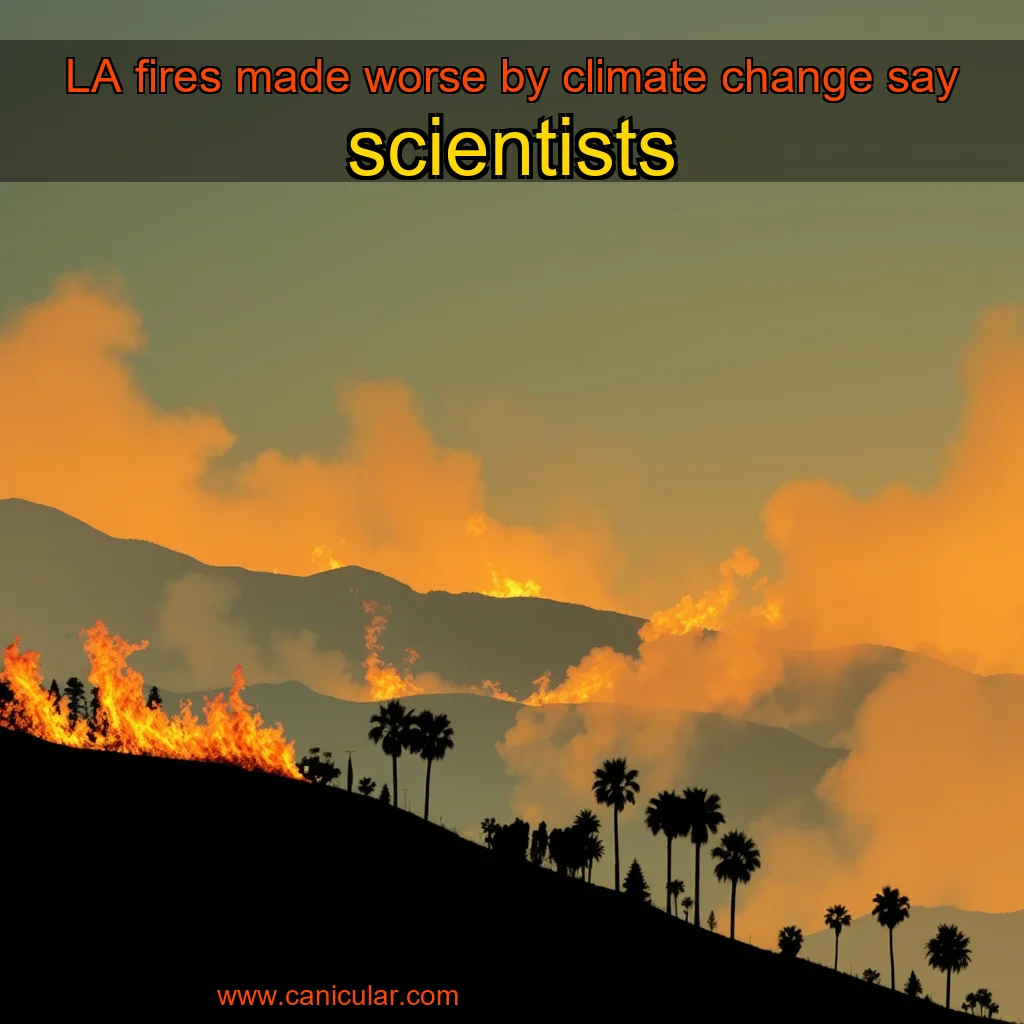
Rising Temperatures Fuel the Growing Threat of Wildfires in LA.
The Impact of Climate Change on Wildfires in LA
The effects of climate change on wildfires in Los Angeles are multifaceted and far-reaching. Rising temperatures, changing precipitation patterns, and increased fuel loads are all contributing factors to the growing threat of intense fire events in the region.
Rising Temperatures
Changing Precipitation Patterns
Increased Fuel Loads
The Role of Human Activity
Wildfires are not just about weather, but also about human behavior and physical environment.
The study found that the conditions that lead to these fires are not just about the weather, but also about the physical environment and human behavior.
Understanding the Fire-Prone Conditions
The study, conducted by researchers from the University of California, Berkeley, and the University of Nevada, Reno, analyzed data from the 2018 Camp Fire in California. The researchers identified several key factors that contributed to the devastating fire, including:
The study also found that the increased likelihood of wildfires is due to the warmer temperatures and the increased moisture in the atmosphere.
Understanding the Role of Climate Change in Wildfires
Climate change is a pressing global issue that has far-reaching consequences for the environment, human health, and the economy. One of the most significant impacts of climate change is its role in increasing the frequency and severity of wildfires.
Rising temperatures fueling a growing wildfire crisis worldwide.
This increase in fire season length is attributed to rising temperatures, which lead to drier conditions and an increased risk of wildfires. As a result, the world is facing a growing number of wildfires, with devastating consequences for the environment, wildlife, and human populations.
The Impact of Rising Temperatures on Fire Seasons
The relationship between rising temperatures and increased fire seasons is well-documented. As the planet warms, the air becomes drier, and the risk of wildfires increases. This is because warmer temperatures cause plants to dry out faster, making them more susceptible to ignition. Additionally, rising temperatures can also lead to an increase in lightning strikes, which can spark wildfires. Key factors contributing to the increase in fire season length: + Rising temperatures + Drier conditions + Increased risk of wildfires + Lightning strikes
The Devastating Consequences of Wildfires
Wildfires have severe and far-reaching consequences for the environment, wildlife, and human populations. Some of the most significant impacts include:
Human activity, particularly the burning of fossil fuels, is a major contributor to climate change.
The Impact of Human Activity on Climate Change
The effects of human activity on climate change are multifaceted and far-reaching. One of the most significant impacts is the increase in greenhouse gas emissions, which contribute to global warming. The burning of fossil fuels, such as coal, oil, and natural gas, releases large amounts of carbon dioxide and other greenhouse gases into the atmosphere, leading to a trap of heat and a rise in global temperatures.
The Role of Fossil Fuels in Climate Change
Fossil fuels have been the primary source of energy for human civilization for centuries. However, their use has come at a significant cost. The extraction, transportation, and combustion of fossil fuels release massive amounts of carbon dioxide and other greenhouse gases into the atmosphere, contributing to climate change. Key statistics: + The extraction, transportation, and combustion of fossil fuels release approximately 13.4 billion metric tons of carbon dioxide per year. + The use of fossil fuels accounts for around 65% of global greenhouse gas emissions.
The Consequences of Climate Change
Climate change has far-reaching consequences for the environment, human health, and the economy. Rising temperatures and changing weather patterns lead to more frequent and severe heatwaves, droughts, and storms.
The Devastating Reality of Climate Change in Los Angeles
Climate change is having a profound impact on the city of Los Angeles, with devastating wildfires becoming a growing concern. According to a recent study, the likelihood of such disasters has increased significantly, and it is essential to understand the reasons behind this trend.
The Role of Climate Change in Wildfires
Climate change is altering the environment in various ways, leading to an increase in wildfires. Rising temperatures and changing precipitation patterns are creating conditions that are ripe for wildfires to spread. The University of Edinburgh researcher, Prof Gabi Hegerl, notes that “the increased frequency and severity of heatwaves, droughts, and storms are all contributing to the growing risk of wildfires in Los Angeles.”
+ Rising temperatures + Changing precipitation patterns + Increased frequency and severity of heatwaves and droughts + Storms that can spread embers and sparks
The Impact of Climate Change on Wildfires in Los Angeles
The impact of climate change on wildfires in Los Angeles is multifaceted. Not only do these disasters pose a significant threat to human life and property, but they also have a profound impact on the environment. The loss of vegetation and wildlife habitats can have long-term consequences for the ecosystem, and the increased risk of wildfires can lead to a cycle of destruction and recovery. The effects of wildfires on the environment include: + Loss of vegetation and wildlife habitats + Soil erosion and degradation + Increased risk of wildfires in the future + Disruption of ecosystems and biodiversity