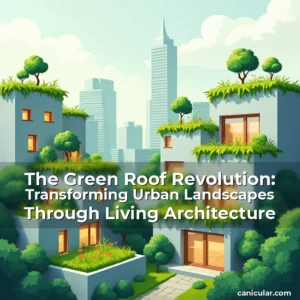
The Urban Oasis: Transforming Rooftops into Green Havens through Living Architecture
In an era where concrete jungles dominate cityscapes, the concept of transforming rooftops into lush ecosystems is gaining momentum as a revolutionary solution to urban environmental challenges. By integrating vegetation into building structures, we are redefining what it means to live sustainably within our densely populated environments.
This innovative approach known as green roofing offers multifaceted benefits that extend beyond aesthetics, addressing critical issues such as stormwater management, energy efficiency, and biodiversity conservation while simultaneously enhancing the quality of life for urban dwellers.
Eco-Architectural Revolution: Understanding Green Roof Systems
A green roof system consists of several carefully engineered components working together to create a self-sustaining vegetative layer atop conventional roofs. These systems typically include a waterproof membrane, root barrier, drainage layer, growing medium, and selected plant species tailored to local climate conditions.
The primary purpose of these layers extends beyond mere decoration; they form a protective shield against extreme weather elements while providing essential ecological services that traditional roofing materials cannot offer. This layered construction ensures both structural integrity and long-term viability of the rooftop garden ecosystem.
There exist two fundamental types of green roof systems: intensive and extensive. Intensive systems resemble small parks with deeper soil depths allowing for larger plants and even trees, requiring significant maintenance similar to ground-level gardens. In contrast, extensive systems feature shallow substrate depths suitable primarily for low-maintenance vegetation like sedums and grasses.
The choice between these options depends largely on factors such as available weight capacity, budget constraints, desired aesthetic outcomes, and intended usage patterns of the rooftop space itself. Both variants contribute significantly towards creating sustainable urban landscapes but cater to different needs and expectations from users.
- Intensive green roofs: Require substantial investment due to their complex infrastructure including irrigation systems and additional support structures. They provide recreational areas and potential agricultural spaces but demand ongoing care comparable to terrestrial gardens.
- Extensive green roofs: Offer cost-effective solutions with minimal upkeep requirements making them ideal choices for commercial buildings seeking environmental compliance without compromising operational efficiency.
Sustainable Solutions: Environmental Benefits of Green Roofs
Green roofs serve as natural insulators reducing heating and cooling demands by moderating indoor temperatures through evaporative cooling effects during hot summer months and thermal mass retention during colder seasons.
This dual functionality leads to decreased reliance on artificial climate control systems resulting in lower energy consumption and associated carbon emissions contributing positively toward global sustainability goals set forth by international organizations.
Moreover, these living roofs play a crucial role in managing stormwater runoff which has become increasingly problematic in modern cities characterized by high percentages of impermeable surfaces.
The vegetation acts as a sponge absorbing rainwater before it reaches drainage networks thereby alleviating pressure on municipal sewer systems and minimizing risks related to flash flooding events common in heavily developed regions.
Quantifying Nature’s Impact: Data-Driven Insights
Studies conducted across various metropolitan areas have demonstrated that properly designed green roofs can retain up to 60% of annual rainfall depending on regional precipitation levels and vegetation density.
For instance, research carried out in Berlin revealed that extensive green roofs reduced surface runoff volumes by approximately 40%, while intensive versions achieved reductions exceeding 80% under optimal conditions.
Such data underscores the immense potential of incorporating green infrastructures into urban planning strategies aimed at mitigating climate change impacts specifically concerning water resource management challenges faced by contemporary societies.
These findings also highlight how strategic implementation of green roofs could alleviate strain on aging drainage infrastructure particularly relevant given projected increases in extreme weather occurrences linked to anthropogenic climate changes.
Biodiversity Boosters: Enhancing Urban Ecosystems
Urban environments often suffer from fragmented habitats limiting opportunities for native flora and fauna to thrive amidst human-dominated landscapes. Green roofs present viable alternatives by recreating microhabitats capable of supporting diverse biological communities.
By selecting appropriate plant species adapted to rooftop conditions, architects and ecologists collaborate to establish thriving ecosystems that attract pollinators such as bees and butterflies while offering refuge sites for birds and other wildlife species previously excluded from built environments.
This integration fosters greater ecological connectivity facilitating movement corridors between isolated patches of greenery scattered throughout the metropolis thus promoting genetic diversity among resident populations of organisms inhabiting these newly created sanctuaries.
Furthermore, the presence of varied vegetation layers contributes to improved air quality through increased photosynthesis rates removing particulate matter and absorbing greenhouse gases emitted from vehicular traffic congestion prevalent in most urban centers today.
Healthier Habitats: Human Well-being and Psychological Benefits
Access to nature has been scientifically proven to enhance mental well-being reduce stress levels increase productivity and promote overall physical health among individuals residing in densely populated urban settings.
Green roofs provide residents with direct access to green spaces without necessitating travel outside designated parklands thereby increasing opportunities for relaxation recreation and social interaction within immediate surroundings.
Research indicates that exposure to natural environments correlates strongly with improved mood regulation cognitive function and emotional resilience particularly beneficial for those experiencing chronic anxiety disorders or depression symptoms exacerbated by confined living conditions typical in big cities.
Additionally, these verdant retreats contribute to noise reduction by acting as sound buffers dampening external disturbances originating from roadways airports and industrial zones enhancing acoustic comfort within residential and office premises alike.
Economic Advantages: Cost-Benefit Analysis of Green Roof Implementation
While initial installation costs may seem prohibitive compared to conventional roofing methods long-term financial savings derived from enhanced energy efficiency reduced maintenance expenses and extended roof lifespan make green roofs economically attractive propositions.
Energy bills decrease substantially thanks to insulation properties provided by vegetative cover leading to noticeable reductions in electricity consumption especially when combined with passive solar design principles integrated into new developments.
Roof longevity improves dramatically as the protective layers prevent UV degradation moisture intrusion and temperature fluctuations that traditionally accelerate deterioration processes affecting standard bitumen membranes commonly used in flat roof constructions.
Furthermore property values tend to appreciate following successful implementation of green features reflecting market preferences favoring environmentally responsible real estate investments aligned with current trends emphasizing corporate social responsibility initiatives undertaken by developers worldwide.
Design Considerations: Planning Your Own Green Roof Project
Before embarking on any green roof initiative it becomes imperative to conduct thorough assessments evaluating existing building structures ensuring compatibility with proposed interventions considering load-bearing capacities waterproofing capabilities and potential modifications required prior commencement of work.
Consultation with qualified professionals specializing in architectural engineering landscape architecture and horticultural sciences proves invaluable guaranteeing adherence to safety standards optimizing performance metrics aligning project objectives with technical feasibility parameters established during preliminary evaluations.
Selecting suitable plant species remains another critical factor influencing success rate determining whether chosen flora will flourish under prevailing climatic conditions accounting for variables such as sunlight intensity wind velocity humidity levels and seasonal variations impacting growth cycles throughout year round.
Maintainability aspects must receive adequate attention early stages involving decisions regarding irrigation methodologies fertilization schedules pest control protocols and emergency response plans addressing unforeseen circumstances threatening stability of entire ecosystem cultivated upon elevated platforms above ground level.
Cultural Shifts: Embracing Green Philosophy in Modern Society
The rise of green roofs reflects broader societal transformations occurring globally wherein awareness surrounding environmental stewardship intensifies prompting individuals businesses governments agencies and academic institutions collectively pursuing sustainable development pathways prioritizing planetary health alongside economic prosperity.
As public consciousness expands concerning consequences stemming from unsustainable practices adopted over past centuries renewed emphasis placed upon regenerative approaches exemplified through innovations like vertical gardening rooftop agriculture and biophilic design manifest themselves visibly within contemporary architectural movements shaping future skylines worldwide.
Education plays pivotal role fostering appreciation amongst younger generations cultivating mindset valuing ecological balance recognizing intrinsic worth non-human entities advocating policies safeguarding natural heritage preserving biodiversity sustaining delicate interdependencies binding all forms life together irrespective geographical boundaries separating them spatially temporally culturally.
Through sustained efforts promoting knowledge dissemination encouraging participatory engagement inviting active involvement citizens become integral stakeholders invested deeply personal connection nurturing environment coexisting harmoniously rather merely occupying space devoid meaningful relationship shared planet Earth.
Conclusion
Green roofs represent a paradigm shift in urban development embracing nature as an essential component rather than opposing force challenging conventional wisdom perpetuated historical precedence privileging economic gains over ecological considerations.
To harness full potential offered by this transformative technology requires collective commitment translating theoretical understanding practical application implementing scalable solutions adaptable varying contexts ensuring equitable distribution benefits accrued enhancing livability standards communities regardless socioeconomic status geographic location developmental stage maturity level.